The performance of a solar plant depends on much more than the modules selected. Mounting, orientation, electrical design, inverter configuration, cable routing, protection equipment, commissioning, and maintenance access all influence how reliably the system operates.
Professional Solar Rooftop system installation therefore treats the project as an integrated electrical and structural system rather than a simple panel-fitting exercise.
Installation Begins Before Equipment Reaches the Roof
The first stage should be a technical assessment.
Engineers review electricity consumption, roof dimensions, shading, roof condition, electrical infrastructure, access, and customer requirements.
These findings guide system capacity and layout.
A commercial facility with substantial daytime consumption may require a different approach from a residential property with evening-heavy electricity use.
Mounting Needs Careful Planning
Mounting structures support modules through changing weather conditions.
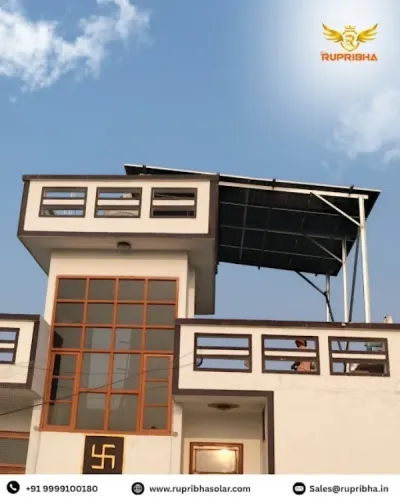
Their positioning should consider roof characteristics, wind exposure, module layout, drainage, maintenance access, and applicable engineering requirements.
Careless mounting can also create avoidable roof and waterproofing concerns.
Electrical Safety Is Equally Important
Solar installations contain DC and AC electrical sections that require appropriate design and protection.
Cable sizing and routing, connectors, earthing, protective devices, inverter placement, and electrical integration should be addressed systematically.
Customers should avoid judging installation quality only by how neat the panels look from outside.
Testing Before Commissioning
Once equipment is installed, the system should be inspected and tested before regular operation.
The installer should verify relevant connections, equipment operation, monitoring functionality, and protection arrangements.
Customers should also receive basic information about monitoring and whom to contact when the system reports persistent errors.
How Long Does the Process Take
Installation time depends on capacity and complexity.
A straightforward residential rooftop project may require several days of physical work, while larger commercial or industrial installations can take considerably longer.
Approvals, inspections, net-metering processes, and other administrative stages can extend the overall project schedule.
Post-Installation Care
Solar equipment does not require intensive daily maintenance, but neglect can still affect performance.
Owners should:
- Monitor generation periodically
- Keep modules appropriately clean
- Maintain safe equipment access
- Watch for new shading
- Avoid unauthorized electrical modifications
- Arrange inspection when persistent faults appear
Dust accumulation is particularly relevant across Delhi NCR, although cleaning frequency should always reflect actual site conditions.
Benefits of Professional Execution
Good installation practices can support system reliability, easier maintenance, electrical safety, efficient rooftop use, and more consistent long-term operation.
Professional execution also creates clearer documentation, which can be valuable when dealing with warranties, inspections, future modifications, or maintenance.
Rupribha Electricals OPC Private Limited provides rooftop solar, EPC, equipment distribution, and installation solutions for residential, commercial, industrial, institutional, and other customers across Delhi NCR.
Frequently Asked Questions
Can solar installation damage waterproofing?
Poorly planned work can create roof-related concerns. Existing waterproofing and mounting requirements should therefore be assessed before installation.
What happens if an inverter shows an error?
Some alerts may be temporary, while persistent faults should be checked according to manufacturer guidance and by qualified technical personnel when necessary.
Can panels simply be added later?
Expansion depends on inverter capacity, electrical design, roof availability, existing equipment, and applicable regulations.
Does the system need annual servicing?
Maintenance requirements depend on the equipment and site. Periodic inspection, cleaning, and performance monitoring can help identify issues early.
Is the most affordable installation quotation always the right choice?
Not necessarily. Affordability is important, but the quotation should also be evaluated based on engineering scope, equipment specifications, electrical safety provisions, workmanship quality, warranties, documentation support, and post-installation service.
A reasonably priced solar project should still maintain appropriate technical standards. The better decision is to compare overall value rather than selecting a provider based only on the lowest quoted amount.
Solar modules may be the most visible part of a rooftop project, but installation determines how those components work together. Careful engineering, safe execution, proper commissioning, and sensible maintenance provide the foundation for a solar system designed to perform reliably over the long term.
Keywords