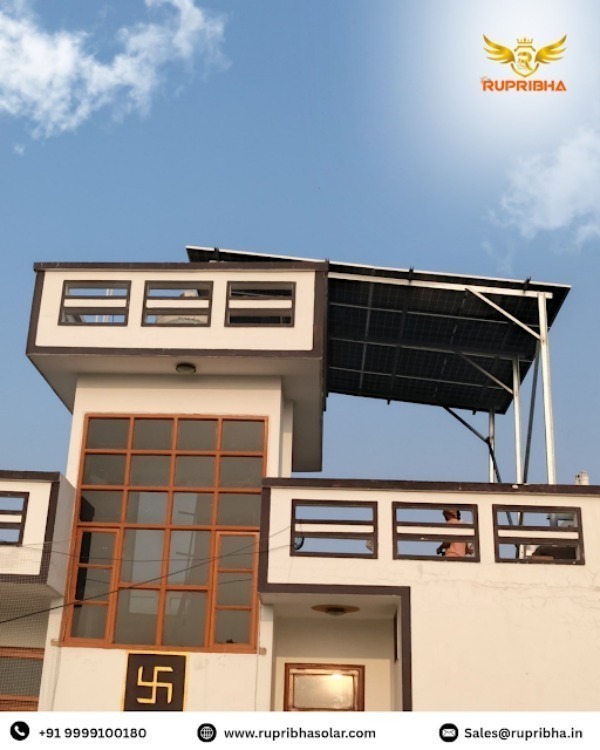
Every rooftop presents a different installation challenge. Some homes have large open terraces, while others contain water tanks, staircases, shaded areas, recreational spaces, or equipment that must remain accessible.
That is why Customized Solar Panel Installation For Homes should begin with the physical property and the family's electricity requirements.
The First Stage Is Assessment
A technical survey establishes what can realistically be installed.
The installer should review roof dimensions, orientation, shadows, structural conditions, electrical connection, possible inverter placement, cable routing, and safe access.
Recent electricity bills provide additional information for determining appropriate capacity.
Design Comes Before Equipment Placement
Once site information is available, engineers can develop a panel layout.
A good layout considers more than maximizing panel quantity. It should preserve practical access for cleaning and inspection while reducing avoidable shading and accommodating rooftop features.
The inverter and other electrical components should also be positioned according to technical requirements and accessibility.
Preparing for Installation Day
Homeowners can make installation smoother by clearing relevant work areas and informing the team about waterproofing concerns, concealed services, restricted spaces, and planned building modifications.
Children and pets should be kept away from active work zones.
The property owner should also confirm where equipment and materials can be stored safely during the work.
How Long Does Installation Take
The physical installation period depends on system capacity, roof complexity, mounting requirements, material availability, and electrical work.
Many straightforward residential installations can be completed within several days, while complex projects may require longer.
The complete project can extend beyond installation when inspection, metering, approvals, or subsidy-related processes apply.
Benefits of a Customized Layout
A property-specific installation can help improve:
- Use of available roof space
- Panel positioning
- Maintenance access
- Cable routing
- Equipment placement
- Compatibility with household consumption
- Planning for future requirements
It can also help preserve portions of the terrace required for other household uses.
Installation Risks Worth Understanding
Solar installation involves rooftop work and electrical connections, making professional safety practices important.
Poorly executed mounting can affect roof surfaces. Inadequate cable protection or electrical connections can create reliability and safety issues. Improper placement can also make future cleaning and maintenance unnecessarily difficult.
These considerations should be addressed during design rather than corrected afterward.
What Happens After Commissioning
Homeowners should receive basic guidance on system monitoring, shutdown procedures where applicable, warranties, and routine maintenance.
Panel cleaning should be carried out safely and according to site conditions. Delhi NCR properties may accumulate substantial dust during dry weather, so owners should observe whether soiling is affecting panel surfaces.
Any persistent inverter warning or unusual reduction in generation should be investigated.
Rupribha Electricals OPC Private Limited works with homeowners seeking property-specific solar installations across Delhi NCR, where roof layouts can vary substantially even within the same residential neighbourhood.
Frequently Asked Questions
Can panels be installed around a water tank?
Often yes, provided shading, access, structure, and maintenance requirements are considered.
Will installation make the terrace unusable?
Not necessarily. A customized layout can consider both solar generation and required terrace access.
Should waterproofing be completed beforehand?
If major waterproofing work is due, completing it before installation can reduce future dismantling.
Can the system be designed for future expansion?
Future requirements can be considered during initial design, although actual expansion depends on system components, available space, and applicable regulations.
Customized installation is ultimately about fitting solar into the property intelligently. When roof conditions, electricity consumption, access, safety, and future needs are considered together, homeowners can make a more informed long-term solar investment.
Keywords