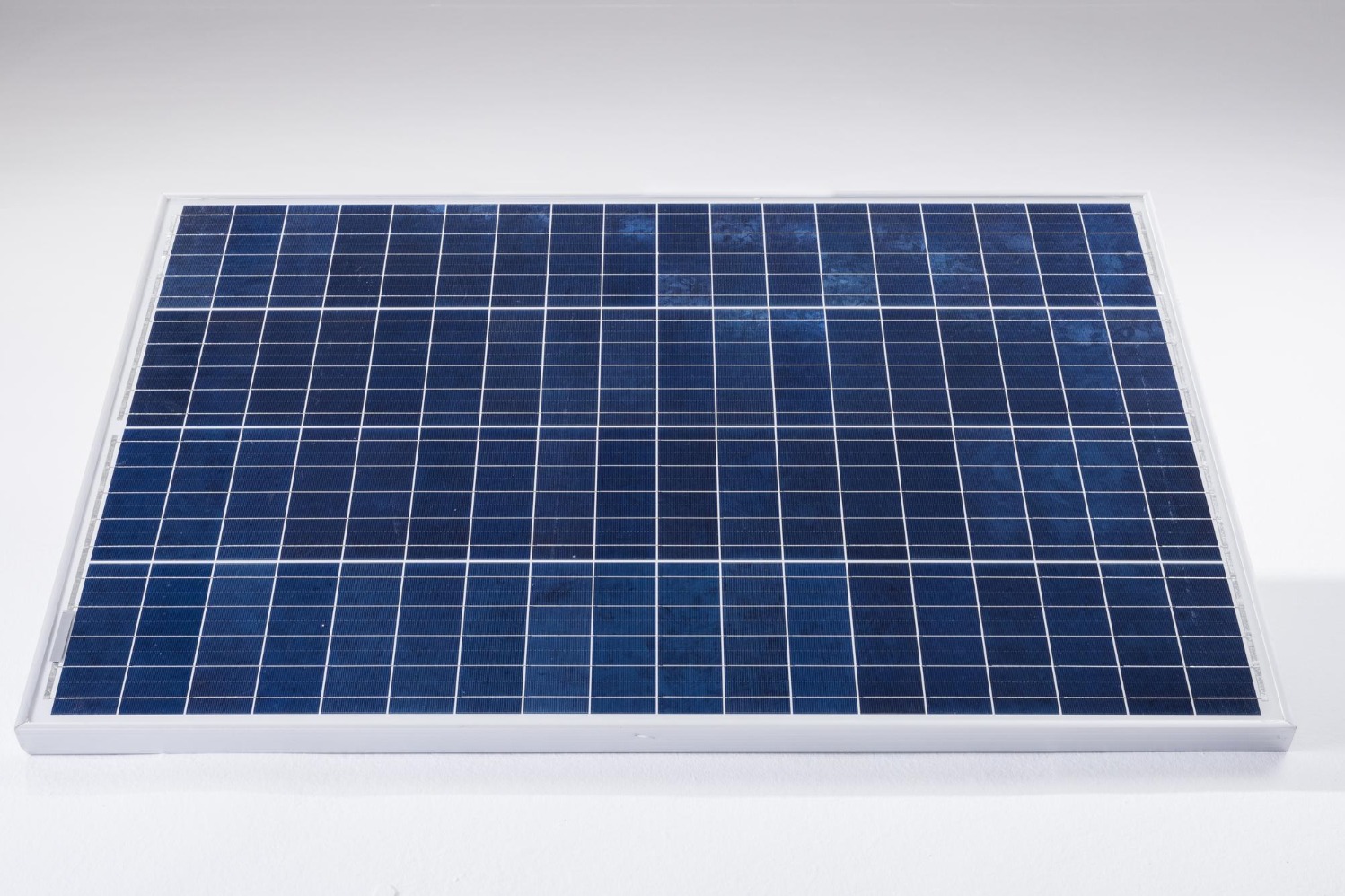
When customers compare Solar panels, wattage is often the first specification they notice. A higher number may appear automatically better, but rated power alone does not determine whether a module is suitable for a particular rooftop project.
Module quality, efficiency, physical dimensions, temperature characteristics, warranty terms, manufacturer support, system compatibility, and installation design all influence the final decision.
Rated Wattage Needs Context
Panel wattage indicates output under standardized test conditions.
Actual rooftop generation varies because real operating conditions differ from laboratory testing. Solar irradiation, module temperature, shading, orientation, dust, electrical losses, and system design can all affect output.
Customers should therefore avoid treating the wattage printed on a datasheet as the amount of electricity a module will continuously produce.
Efficiency Can Matter on Limited Roofs
Module efficiency indicates how effectively a panel converts incoming solar energy into electricity.
For properties with limited usable rooftop space, higher-efficiency modules may allow more capacity to be installed within the available area.
However, efficiency should be evaluated alongside cost, module dimensions, reliability, warranties, and project requirements.
Temperature Performance Is Relevant
Solar modules operate outdoors, often at temperatures substantially above surrounding air temperature.
Delhi NCR experiences intense summer heat, making temperature characteristics a relevant technical consideration when comparing module specifications.
The complete system should be designed using realistic local operating conditions.
Warranty Terms Need Careful Reading
Customers frequently see long warranty periods and assume every problem will be covered for the complete duration.
It is important to distinguish between product warranties and performance warranties and to understand their specific conditions.
Warranty strength also depends on documentation and the process available for addressing a valid claim.
Installation Has a Major Influence
Premium modules cannot compensate for poor system design.
Shading, inadequate mounting, inappropriate inverter matching, poor electrical connections, or unsuitable layout can reduce the value of otherwise capable equipment.
Module selection should therefore happen as part of complete system engineering.
What Should Buyers Compare
Before finalizing modules, consider:
- Rated power
- Module efficiency
- Dimensions
- Temperature coefficient
- Product warranty
- Performance warranty
- Relevant certifications
- Manufacturer track record
- Compatibility with system design
- After-sales support
For residential and commercial customers, these factors provide a more meaningful comparison than wattage alone.
Caring for Panels After Installation
Modules generally require limited routine care, but their surfaces should remain reasonably free from excessive dust and debris.
Cleaning frequency should reflect actual site conditions. Safe access and suitable cleaning methods are important because careless handling can create personal safety risks or damage components.
Monitoring generation can also help identify whether performance has changed unexpectedly.
Rupribha Electricals OPC Private Limited supplies and integrates solar equipment for projects across Delhi NCR, where module selection should be matched to the site's available area, design, and intended application.
Frequently Asked Questions
Do higher-wattage panels always generate more electricity?
Not necessarily in every real-world installation. Total generation depends on system design, irradiation, temperature, shading, orientation, and other factors.
Do solar panels work in winter?
Yes. Generation depends on available sunlight rather than hot weather, although seasonal solar conditions influence output.
Can dust reduce performance?
Heavy surface soiling can reduce the sunlight reaching module cells, which is why appropriate cleaning is useful.
Should I choose panels before getting a site survey?
A survey first is often more useful because available space and site conditions can influence the appropriate module selection.
The right panel is therefore not simply the module with the biggest wattage figure. It is the one that fits the engineering, physical, financial, and long-term requirements of the complete solar project.
Keywords