A solar system cannot be sized accurately from the panel area or the connected load printed on an electrical schedule. By converting at least 12 months of bills into a time-based load profile, checking the property’s physical limits, and matching the system architecture to outage and tariff conditions, you can define a system that produces useful energy rather than simply a large nameplate capacity.
Key takeaways
- Collect 12 months of kWh and billing-cycle peak-demand data.
- Size panels against roof area, usable generation, and future electricity loads.
- Choose backup capacity from critical loads and outage duration, not total consumption.
- Compare tariffs, export limits, and load-shifting options before finalising the design.
Turn Electricity Bills Into a Time-Based Load Profile
Annual kWh gives a rough energy requirement, not the load shape needed for solar planning. Collect 12 months of electricity bills, record each billing period’s kWh, and note the billing-cycle peak demand in kW when the utility provides it.
- Download 15-minute interval data or 30-minute interval data from the utility or meter. This shows when the property consumes electricity, how much solar production could be used immediately, and how much would be exported.
- Separate the profile into daytime, evening, and backup loads. A refrigerator and security system need different treatment from office air-conditioning or a production machine.
- Create an appliance schedule with rated power, operating hours, days used, and duty cycle. A 2 kW compressor that runs for 20 minutes each hour does not consume 2 kW continuously.
- Add starting surges from pumps, compressors, and motors, plus seasonal changes such as summer air-conditioning. Include planned loads such as an electric vehicle, water heater, or new machinery.
Do not confuse connected load with energy use: connected load is the total appliance capacity in kilowatts, while consumption is energy measured in kilowatt-hours. A property can have a high connected load but modest kWh use if equipment runs briefly.
Use the interval profile to identify coincident daytime demand, evening demand, peak-demand periods, and the loads that require backup; annual consumption alone cannot show those decisions.
Match Required Solar Capacity to the Roof and Future Loads
A roof rarely sets solar capacity by area alone. Usable space disappears around required setbacks and shaded edges; orientation and tilt affect how well production matches your daytime load. Check these constraints before accepting a panel count:
- Available area after fire-access pathways, drainage and equipment clearances.
- Roof age, waterproofing and remaining service life; a near-term replacement adds removal and reinstallation costs.
- Structural capacity for panels and racking, including wind and snow loads, ballast or attachment points.
- Maintenance access, future roof replacement and shading from trees or adjacent buildings.
- Service voltage, transformer capacity, conductor length, export and voltage-rise limits.
A connected load of 20 kW does not consume 20 kWh every hour. Use 15-minute or 30-minute data to compare actual energy with appliance duty cycle: a pump or compressor may run briefly, while air-conditioning can dominate summer demand. Starting surge current can trip an inverter even when average consumption looks modest.
Separate these categories before sizing:
- Daytime load: electricity available for direct solar use.
- Evening load: demand requiring grid supply, batteries or shifted operation.
- Backup load: circuits that must operate during an outage.
Define a critical-load panel instead of backing up the whole building; large intermittent equipment can require more inverter surge capability than its running wattage suggests. Reserve capacity for an electric vehicle, heat pump or expanded workshop, but do not install panels that the roof, service, export limit or future load cannot use.
Estimate Usable Generation, Not Just Panel Nameplate Output
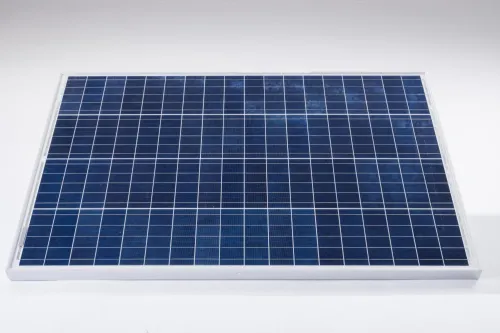
A 10 kW array does not supply 10 kW throughout the day. The solar panel nameplate rating is measured under standard test conditions, so estimate electricity at the inverter’s AC output or property meter—not by multiplying 10 kW by 8,760 hours.
Build the estimate from a site-specific irradiance model and state every assumption:
- Local solar resource, panel orientation, tilt, roof obstructions, and hourly shading
- Temperature and shading losses, plus soiling, module mismatch, degradation, and expected system availability
- DC wiring losses, inverter efficiency, and clipping caused by DC oversizing
- AC wiring losses, service voltage, transformer capacity, and the interconnection point
Check voltage before accepting the energy estimate. In cold weather, a string’s open-circuit voltage can exceed the inverter’s maximum DC input voltage. In hot weather, module operating voltage falls and can leave the string outside the inverter’s MPPT voltage range, reducing harvest.
MPPT voltage range and string design must therefore be checked at the site’s lowest and highest expected temperatures, not only at standard test conditions.
Also check AC voltage rise. Long conductors or a weak service can push inverter voltage toward its limit and cause curtailment. Ask for monthly and hourly AC production, peak clipping, export limits, and the loss assumptions behind the forecast.
Compare that forecast with daytime consumption, because exported kilowatt-hours may have less value than energy used directly on the property.
Choose the Architecture and Backup Capacity That Fit the Load
An on-grid solar system during a power outage normally shuts down: its inverter must stop energising lines to prevent utility backfeed. Choose it when grid reliability is acceptable and your priority is reducing purchased electricity. Add a hybrid solar battery system when you need outage protection, time-of-use bill reduction, or solar energy after sunset.
| Architecture | What it does | When it fits |
|---|---|---|
| On-grid | Supplies loads through the utility connection; no outage power | Reliable grid, lowest backup requirement |
| Hybrid | Combines grid, PV, batteries, and islanding controls | Selected circuits must operate during outages |
| Off-grid | Uses PV and batteries without a utility supply | No grid connection or grid extension is impractical |
Define a critical-load panel instead of backing up the whole building. Put refrigeration, lighting, communications, controls, and selected outlets on it; exclude electric heating, large water heaters, elevators, and unnecessary HVAC unless the inverter and battery support them. Pumps and compressors need starting-surge capacity above their running watts.
Size the battery from interval data and required autonomy: usable kWh equals critical-load demand in kW multiplied by backup hours, then adjusted for inverter losses and the permitted depth of discharge. Size inverter output for simultaneous running loads and motor-start surges.
For an off-grid inverter and generator capacity, match continuous demand, starting current, battery-charging demand, and the longest low-sun period—not the panel total alone.
Use Tariffs, Export Rules, and Operating Strategy to Select the Final Design
A design with the most annual solar generation is not always the cheapest system to operate. A time-of-use tariff can favour west-facing production or a battery that charges at midday and discharges during expensive evening hours, while demand charges can justify a higher battery power rating to clip short peaks.
Use interval data to test the financial result:
- Compare daytime self-consumption with exports under net metering and export compensation.
- Model load shifting for water heating, pumps, vehicle charging, and other flexible equipment.
- Apply the utility’s export limit before choosing inverter capacity; excess capability can be curtailed.
- Include fixed charges, standby charges, interconnection fees, and any credit expiry rules.
- Specify battery power and usable energy separately: power serves simultaneous loads and clips peaks; usable energy determines runtime after state-of-charge limits, losses, temperature, and degradation.
| Operating strategy | Best fit | Design consequence |
|---|---|---|
| Direct self-consumption | Daytime loads match solar output | Prioritise array placement and inverter capacity |
| Load shifting | Flexible loads can run during solar hours | Add controls before buying more storage |
| Battery dispatch | Evening loads, outages, or demand peaks matter | Size both battery power and usable energy |
Ask suppliers, including Rupribha Electricals (OPC) Private Limited, to show interval-data assumptions, export curtailment, voltage-rise checks, protection equipment, and battery warranty limits. Compare delivered savings, not panel output alone.
Related products
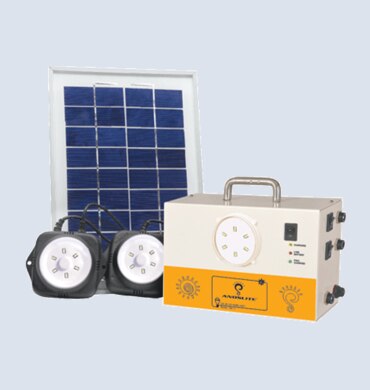 | LED Products The Solar Home Light System is an eco-friendly, cost-effective solution to power your home with renewable energy. View product → |
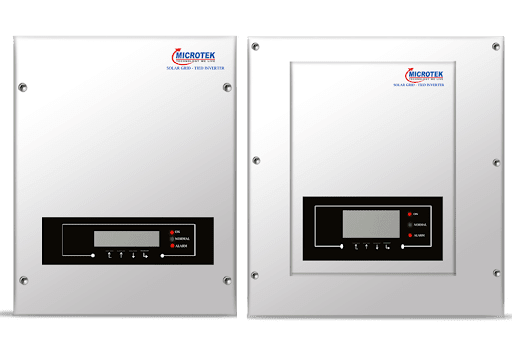 | Solar Products A Solar Ongrid Inverter efficiently converts solar energy into usable electricity, directly feeding it into the grid. View product → |
Frequently asked questions
What electricity-bill data do you need for solar planning?
Collect 12 months of bills and record each billing period’s kWh. Note the billing-cycle peak demand in kW when the utility provides it, then organise usage by time of day if interval data is available.
How do you match solar capacity to a property?
Compare the property’s consumption and future loads with usable roof area, panel layout, shading, equipment space, and the site’s electrical connection limits. Do not size the system from annual kWh alone.
Why is usable generation different from panel nameplate output?
Nameplate capacity is the panel rating under test conditions. Usable generation also depends on solar exposure, shading, orientation, temperature, inverter conversion, wiring losses, downtime, and export constraints.
How should you choose solar backup capacity?
List critical circuits, their running loads, starting surges, and required backup duration. Size the battery and inverter for those loads rather than backing up every circuit by default.
Related products
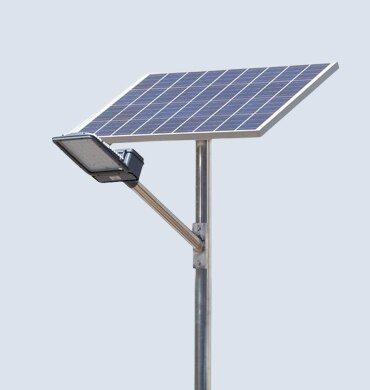 | LED Products systems combine the benefits of solar power with integrated energy storage solutions. View product → |
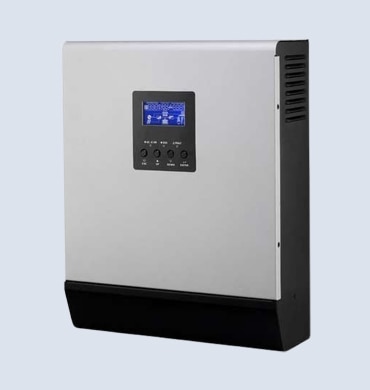 | Solar Products A Solar Hybrid Inverter seamlessly combines solar energy, battery storage, and grid power for efficient energy management. View product → |
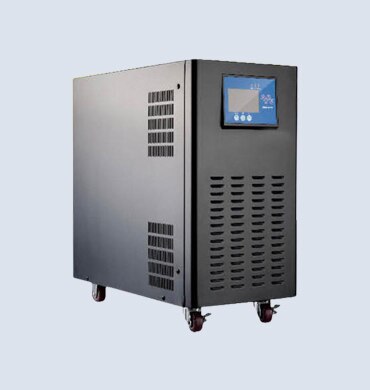 | Solar Products A Solar Off-Grid Inverter is essential for converting solar energy into usable electricity in remote locations without grid access. View product → |
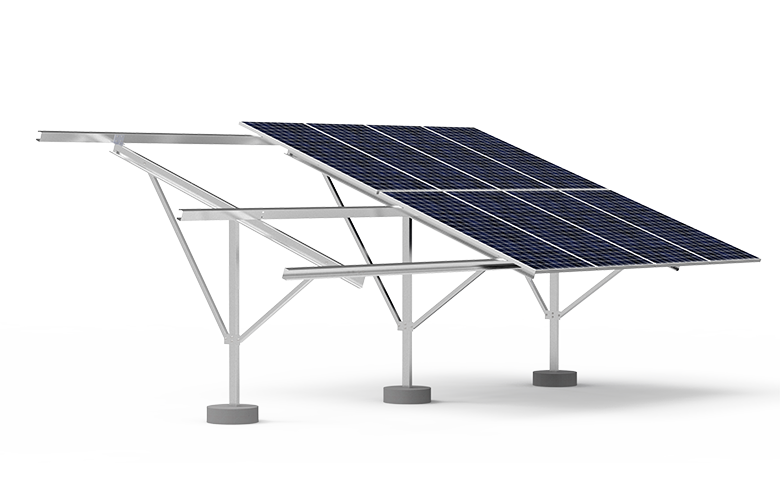 | Plant BOS Solar structures are essential components for supporting solar panels, ensuring their stability and optimal performance. View product → |