Electricity requirements are changing across homes, offices, institutions, factories, and commercial facilities. Air-conditioning, automation, computing equipment, machinery, and electric mobility are adding new loads, while customers are increasingly interested in controlling long-term energy costs.
Well-planned Solar Energy Solutions can allow properties to generate part of their electricity directly from sunlight and reduce the amount of energy purchased from the conventional grid.
How Rooftop Solar Works
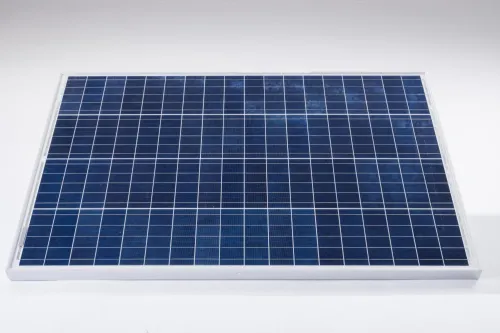
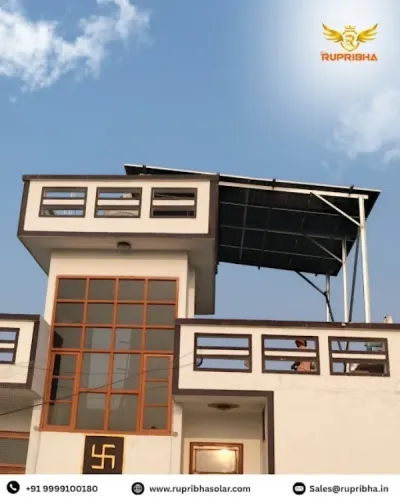
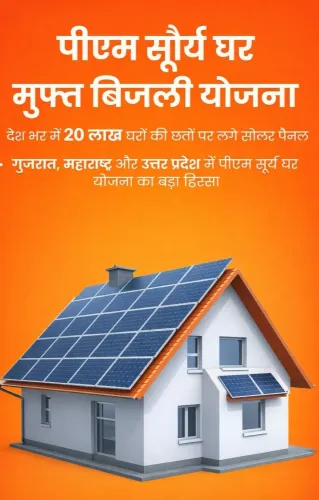
Solar photovoltaic panels convert sunlight into DC electricity. An inverter converts this electricity into AC power suitable for compatible loads within the property.
Depending on system configuration and applicable regulations, electricity generated by the system can be consumed at the site, with eligible surplus energy handled through the relevant grid and metering arrangement.
Solar does not mean a property automatically becomes independent of the electricity grid. Grid-connected systems are usually designed to work alongside the existing electricity supply.
Where Solar Can Be Useful
Different users benefit from solar in different ways.
Homes may use rooftop generation to offset a portion of household consumption. Commercial buildings can benefit because significant electricity use often occurs during daylight hours. Industrial facilities with substantial daytime loads may be able to consume a larger share of solar generation directly.
Schools, hospitals, warehouses, institutions, and government facilities may also have large roof areas suitable for photovoltaic installations.
What Determines the Right System
System capacity should not be selected using roof area alone.
An appropriate assessment considers:
- Historical electricity consumption
- Daytime load profile
- Available rooftop space
- Shading
- Structural suitability
- Electrical infrastructure
- Applicable regulatory requirements
- Project budget and objectives
This analysis is particularly important across Delhi NCR because residential homes, commercial buildings, warehouses, and industrial properties can have very different consumption profiles.
What Happens During Installation
After the initial survey, the solar layout and electrical configuration are planned. Mounting structures are installed, followed by panels, inverter equipment, cables, electrical protection, earthing, and monitoring components as required.
Testing and commissioning follow installation.
Where grid connectivity, net metering, or subsidy processes apply, additional documentation and inspection stages may also be involved.
Benefits Beyond Electricity Savings
Reducing purchased electricity is an important motivation, but solar can offer broader advantages.
It allows an organization to generate renewable electricity at its own premises. Businesses can also incorporate solar into wider energy and sustainability planning.
For properties with suitable daytime consumption, onsite generation can provide effective utilization of available roof space that may otherwise remain unused.
Risks That Should Be Managed
The technology is established, but system performance depends heavily on correct implementation.
Potential problems include shading losses, inappropriate system sizing, poor mounting, inadequate electrical protection, weak cable management, unsuitable inverter selection, and insufficient maintenance access.
Professional engineering and installation practices help manage these issues.
Maintaining the System
Solar modules should be kept reasonably clean because accumulated dust can affect light reaching the panel surface. Delhi NCR's dusty conditions make site-specific cleaning particularly important.
Owners should also monitor generation trends. A noticeable unexplained reduction may justify checking panels, connections, the inverter, shading, or other system components.
Common Questions
Will solar work during cloudy weather?
Panels can still generate electricity under diffuse sunlight, although output generally decreases compared with strong sunlight.
Does rooftop solar provide power during a grid outage?
A conventional grid-connected system typically shuts down during an outage for safety. Backup functionality requires an appropriate system configuration.
How long does installation take?
Physical installation can often be completed in several days depending on project size and site complexity, while approvals and administrative processes may extend the total timeline.
Companies such as Rupribha Electricals OPC Private Limited help customers assess solar options according to individual properties and electricity requirements. The key is treating solar as an engineered energy system rather than simply purchasing panels.
Keywords