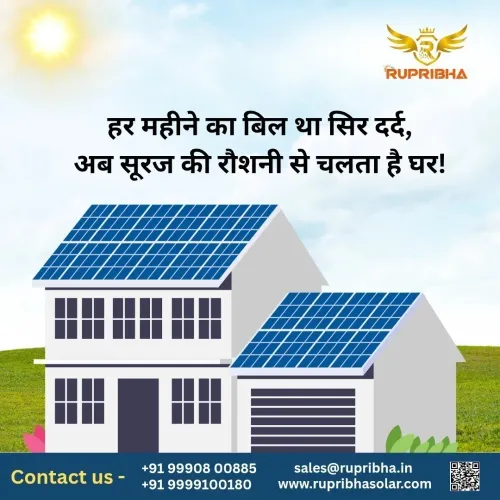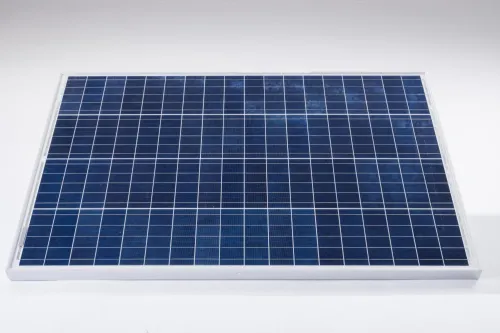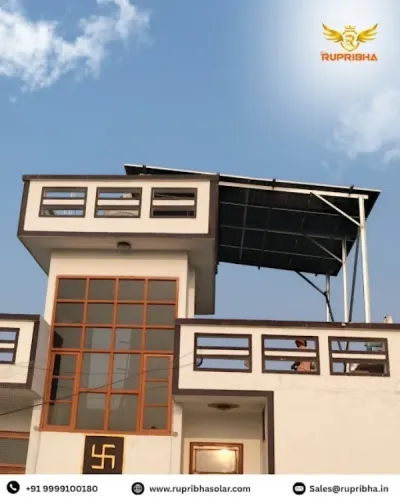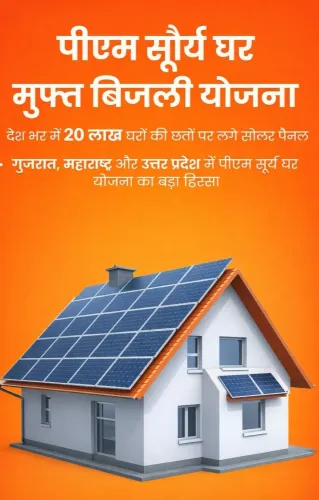
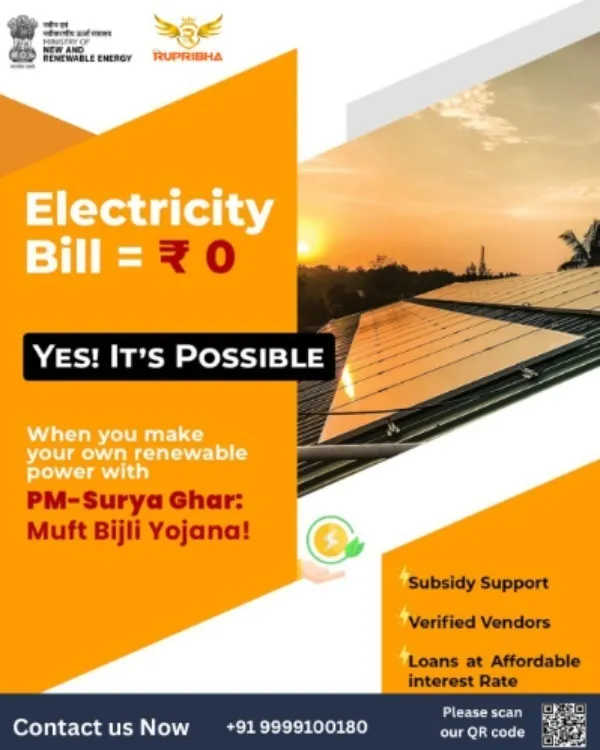
For many homeowners, Solar Panel Subsidy is one of the first topics researched when considering rooftop solar. Financial assistance can influence the economics of a project, but subsidy should be treated as one part of the overall decision rather than the only reason for choosing a system.
Schemes, eligibility requirements, approved processes, technical specifications, and applicable benefits can change. Homeowners should therefore verify the current provisions applicable to their installation before making financial assumptions.
First Understand Whether Your Project Is Eligible
Not every solar project necessarily falls under the same subsidy framework.
Eligibility can depend on factors such as customer category, system type, capacity, installation process, applicable government programme, and other current requirements.
Residential consumers in Delhi should identify which current central or local provisions apply to their electricity connection and proposed rooftop project.
Do Not Choose System Capacity Only Around Subsidy
A common mistake is beginning with the question, 'What capacity gets the maximum benefit?'
A better starting point is determining what capacity suits the property.
Review:
- Electricity consumption
- Available rooftop area
- Shading
- Household load
- Budget
- Expected future electricity demand
Once practical capacity has been identified, applicable financial support can be considered as part of the overall project economics.
Understand the Complete Project Cost
Solar quotations can contain more than the cost of photovoltaic modules.
Depending on project scope, pricing may account for:
- Solar modules
- Inverter
- Mounting structure
- Electrical cables
- Protection equipment
- Earthing
- Installation
- Testing
- Engineering
- Additional site-specific work
Comparing only the headline price can therefore produce an incomplete picture.
Documentation Deserves Attention
Subsidy-linked projects may involve specified procedures and documentation.
Homeowners should understand what information they need to provide, what steps are completed by the consumer, what responsibilities belong to the installer, and how the applicable process works.
Keeping electricity account details and relevant property or identity documents organized can make the administrative process easier where required.
Ask About Technical Requirements Too
Financial incentives should never overshadow system quality.
A rooftop system still needs suitable engineering, compatible components, electrical protection, safe installation, and appropriate testing.
A low-cost installation that compromises important technical aspects can create problems long after the initial financial benefit has been received.
Calculate Value Beyond the Initial Incentive
Solar is a long-term infrastructure investment.
When evaluating the economics, homeowners can consider system cost, applicable financial assistance, expected electricity generation, maintenance needs, current electricity consumption, and likely long-term usage.
The calculation should be based on realistic assumptions rather than guaranteed savings claims.
Rupribha Electricals OPC Private Limited works with residential rooftop solar and electrical solutions in Delhi. Property owners exploring subsidy-linked solar projects can benefit from evaluating technical suitability first and then understanding the current financial provisions applicable to the project.
Government support can improve affordability where applicable, but good solar planning still begins with the roof, electricity requirement, and system design.
Keywords