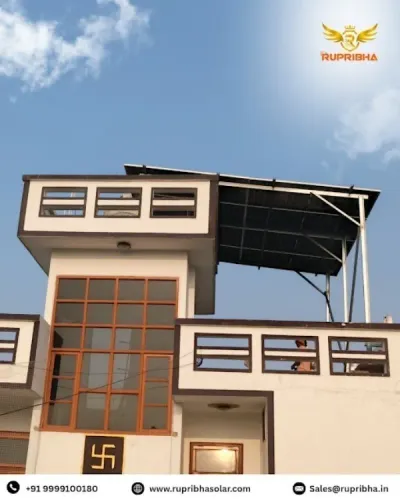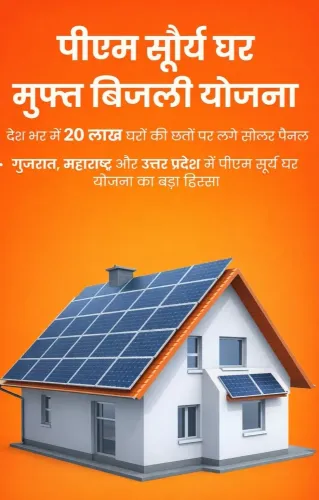

A Solar Panel System Installation converts available rooftop space into a working electricity-generation system. For homeowners and businesses considering solar for the first time, understanding what happens before panels reach the roof is important. A successful project depends on site conditions, electrical requirements, system sizing, component selection, installation quality, and ongoing performance.
In Delhi, rooftop solar planning also needs to account for dense construction, varying roof layouts, seasonal weather conditions, dust accumulation, shading from nearby buildings, and the electricity consumption pattern of the property.
The Process Starts With Understanding Electricity Consumption
Solar systems should not be selected simply by looking at available roof area. Electricity consumption is equally important.
A typical assessment considers:
- Recent electricity bills
- Monthly energy consumption
- Daytime electricity usage
- Available shadow-free rooftop area
- Existing electrical infrastructure
- Type and condition of the roof
- Future electricity requirements
A household with high daytime consumption may have different system requirements from a property where most electricity is consumed after sunset.
Why a Rooftop Survey Matters
The roof determines how effectively a solar system can be designed.
During a site survey, technicians typically examine usable space, orientation, shading, access, structural conditions, cable routes, and suitable locations for electrical equipment.
Shadows deserve particular attention. Water tanks, adjacent buildings, trees, parapet walls, and rooftop structures can reduce the amount of sunlight reaching panels during certain hours.
A proper survey helps identify these issues before installation rather than after the system has started operating.
Choosing the Right Solar System Capacity
System capacity is commonly expressed in kilowatts, but a larger system is not automatically a better choice.
The appropriate capacity depends on the relationship between electricity consumption, available rooftop space, budget, and project objectives.
For example, a residential owner may primarily want to reduce grid electricity consumption, while a commercial facility may want to utilize a large roof to offset substantial daytime loads.
This is why customized system sizing is more useful than selecting capacity based on a generic recommendation.
What Components Make Up a Rooftop Solar System
Solar panels are the most visible part of an installation, but they are only one part of the complete system.
A typical rooftop installation may include:
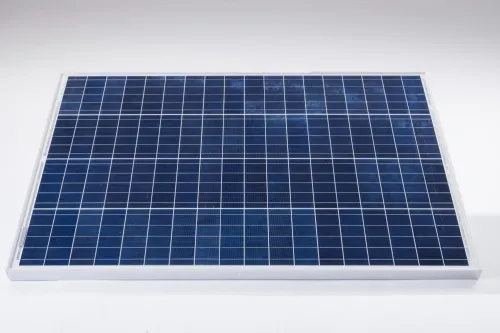
- Solar photovoltaic modules
- Inverter
- Module mounting structures
- DC and AC cables
- Protection devices
- Earthing arrangements
- Distribution components
- Monitoring equipment
- Metering-related infrastructure where applicable
The quality and compatibility of these components influence system safety, reliability, and long-term performance.
What Happens During Installation
Once the system design is finalized, mounting structures are positioned and secured according to the approved layout.
Solar modules are then mounted, followed by DC cabling, inverter installation, AC connections, earthing, protection arrangements, and testing.
Installation should preserve sufficient access for inspection, cleaning, and maintenance. Packing the maximum possible number of panels onto a roof without considering accessibility can make future servicing unnecessarily difficult.
Commissioning Is an Important Final Step
A system should be tested before normal operation begins.
Commissioning may involve checking electrical connections, inverter operation, safety devices, system output, monitoring functionality, and other project-specific parameters.
For property owners in Delhi, understanding this complete process makes it easier to evaluate quotations and ask meaningful questions before choosing an installer.
Rupribha Electricals OPC Private Limited works in rooftop solar, solar products, electrical solutions, and related project requirements. Whether a project is residential, commercial, or institutional, careful planning before installation creates the foundation for a practical solar system designed around the property rather than a generic package.
Keywords