Installing a solar power system is one of the most effective ways to reduce electricity expenses while supporting clean energy generation. Whether the property is a home, office, factory, school, or commercial building, understanding the Solar Panel System Installation process helps property owners make informed decisions and avoid common misunderstandings.
A successful solar project involves much more than placing panels on a roof. Proper planning, engineering, equipment selection, and professional installation all contribute to long-term performance and safety.
The process usually begins with a detailed site inspection. Engineers evaluate the property's electricity consumption, roof dimensions, structural strength, and sunlight availability. Nearby buildings, trees, water tanks, and other obstacles that may create shadows are also assessed because shading can reduce the system's overall efficiency.
Once the site assessment is complete, the next step is system design. The design determines the ideal number of solar panels, inverter capacity, mounting structure, cable routing, and electrical protection equipment. Every property has unique requirements, so a customized design often delivers better results than a standard package.
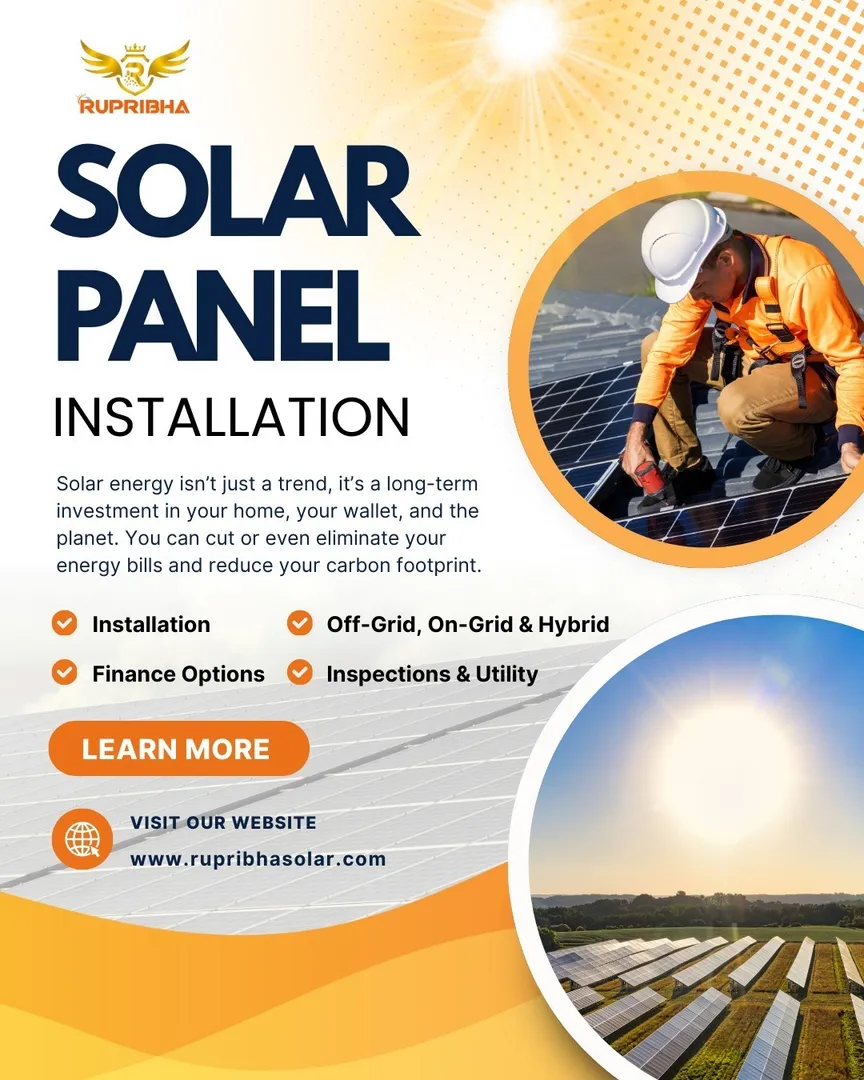
The installation process generally follows these stages:
- Site survey and technical assessment
- System design and engineering
- Selection of solar panels and equipment
- Installation of mounting structures
- Placement of solar panels
- Electrical wiring and inverter installation
- Safety inspections and testing
- Commissioning and performance verification
Each stage plays an important role in ensuring reliable operation for many years.
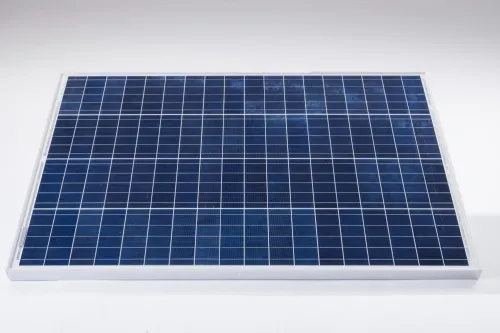
Equipment quality is another major consideration. A rooftop solar system typically includes photovoltaic panels, inverters, mounting structures, cables, connectors, and safety devices. Choosing durable components from reputable manufacturers can improve system reliability while reducing maintenance requirements.
Safety should never be compromised during installation. Proper earthing, surge protection, waterproof cable management, and secure mounting structures protect both the equipment and the building. Professional installers also verify that the rooftop can safely support the system before work begins.
Property owners should also understand that regular maintenance is relatively simple. Routine cleaning to remove dust, visual inspections for loose connections, and periodic system checks help maintain consistent energy generation. In cities like Delhi, where dust accumulation can be higher, scheduled cleaning contributes to better performance.
Another important consideration is future electricity demand. Families may purchase electric vehicles, while businesses often expand operations over time. Planning for future growth during the initial design stage can make later upgrades much easier.
Before selecting an installation partner, consider asking the following questions:
- Is the proposed system based on my electricity consumption?
- Will my roof require structural modifications?
- What warranties are included?
- How long will installation take?
- Is performance monitoring available?
- What post-installation support is provided?
Comparing these aspects provides a better picture than simply comparing prices.
For customers looking for technically planned installations, Rupribha Electricals OPC Private Limited develops solar systems after evaluating the property's energy requirements, roof conditions, and long-term objectives. This approach helps ensure that every installation is aligned with the customer's actual electricity needs.
As solar adoption continues to grow across Delhi and the surrounding region, understanding the installation process enables property owners to invest with confidence. A professionally designed and installed solar system can provide dependable energy generation, lower electricity bills, and long-term environmental benefits.
Keywords