Electricity is one of the largest recurring expenses for commercial properties. Office buildings, shopping complexes, hotels, educational institutions, hospitals, and warehouses all rely heavily on uninterrupted power to maintain daily operations. This is why Solar Rooftop Solutions are becoming an increasingly attractive investment for businesses looking to manage energy costs while adopting sustainable practices.
Unlike residential installations, commercial rooftop solar projects require detailed planning because every building has different operating hours, power consumption patterns, and structural characteristics.
The first step in evaluating a commercial solar project is understanding current electricity usage. Reviewing electricity bills over the past year helps identify average consumption and seasonal fluctuations. This information allows engineers to recommend a system that matches business requirements instead of simply maximizing rooftop coverage.
Before installation, several technical aspects should be assessed:
- Available rooftop area
- Roof load-bearing capacity
- Shading from surrounding structures
- Electrical infrastructure
- Future expansion plans
- Peak electricity demand
These factors influence system design, equipment selection, and expected energy generation.
Commercial rooftop solar offers several operational advantages beyond reducing electricity bills.
Some of the most notable benefits include:
- Lower long-term operating costs
- Better utilization of unused rooftop space
- Reduced dependence on conventional electricity
- Support for corporate sustainability initiatives
- Predictable energy production throughout the year
- Long equipment lifespan with minimal maintenance
Many organizations also appreciate the positive environmental impact of producing clean energy while lowering their carbon footprint.
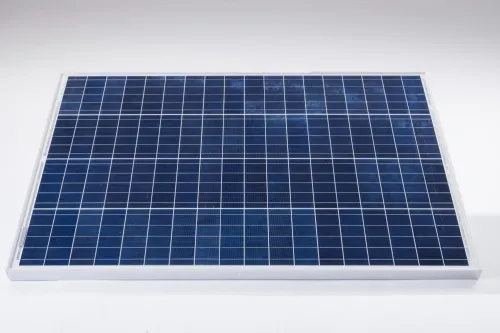
Selecting the right equipment is equally important. High-efficiency solar panels, quality inverters, corrosion-resistant mounting structures, and reliable electrical protection devices all contribute to system durability and consistent performance. Investing in quality components often reduces maintenance requirements over the life of the project.
Safety should remain a priority throughout installation. Commercial systems should comply with applicable electrical standards and include proper earthing, surge protection, cable management, and structural safety measures. Professional engineering reduces the likelihood of future operational issues.
Another important consideration is system monitoring. Modern rooftop installations often include digital monitoring platforms that allow businesses to track energy generation, identify performance trends, and respond quickly to maintenance needs.
Businesses should also compare providers carefully before making a decision. Consider factors such as:
- Engineering experience
- Project execution capability
- Equipment quality
- Warranty coverage
- Maintenance support
- Experience with commercial installations
A comprehensive proposal that clearly explains the system design, expected performance, and project timeline is usually a good indicator of a professional installation company.
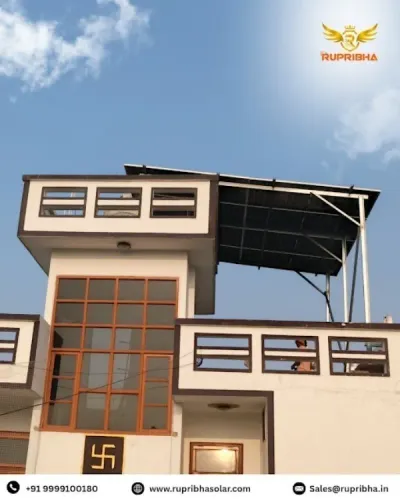
Rupribha Electricals OPC Private Limited develops commercial solar rooftop solutions after evaluating each property's energy profile, structural conditions, and operational objectives. This customized planning helps businesses invest in systems designed to deliver reliable long-term performance.
As commercial electricity costs continue to increase across Delhi, rooftop solar is becoming an important part of long-term business planning. A professionally designed system can support operational efficiency, reduce recurring energy expenses, and contribute to a more sustainable future.
Keywords