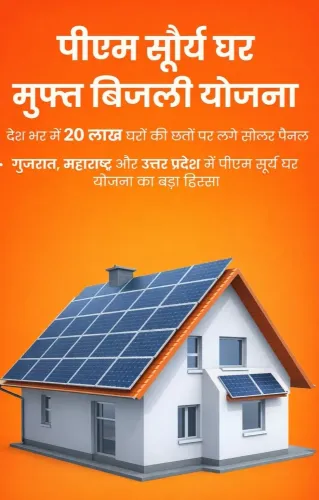
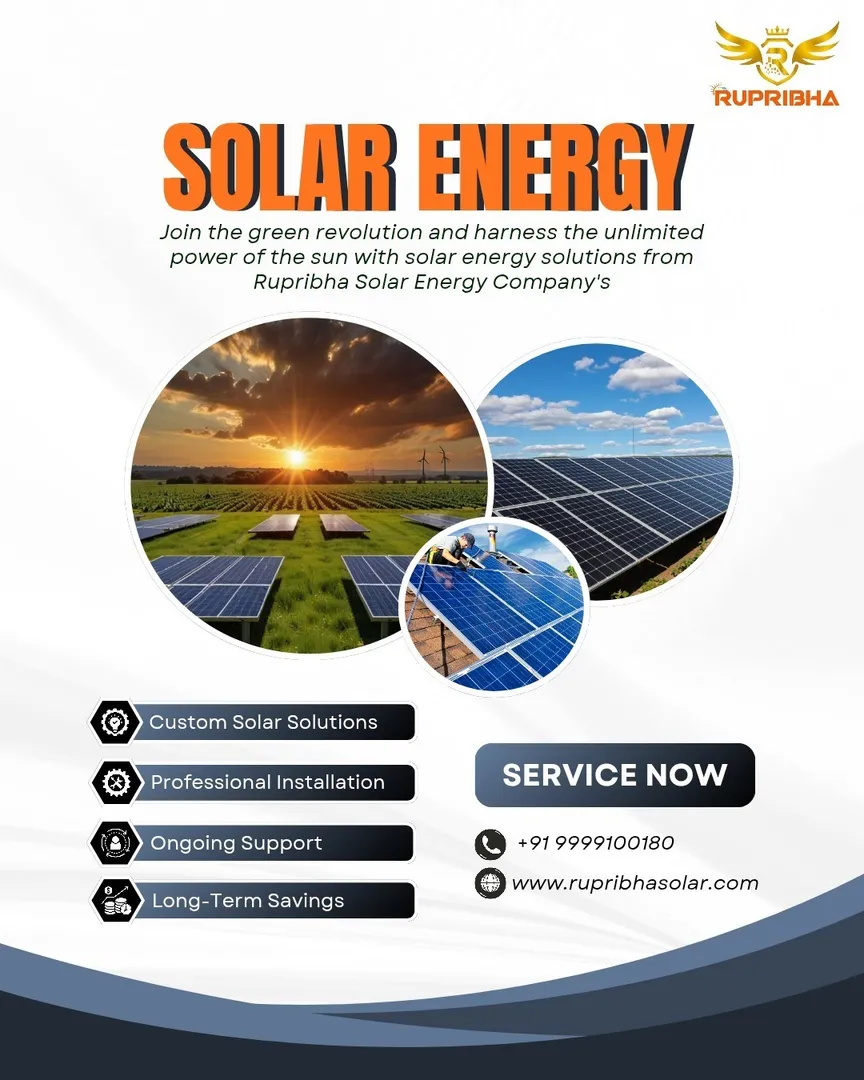
Interest in Solar Energy Solutions is no longer limited to large industrial facilities. Homes, offices, educational institutions, commercial establishments, warehouses, and other properties can evaluate solar according to their available space and electricity requirements.
The important question is not simply whether solar works. Property owners need to understand where solar makes practical sense and what determines the suitability of a particular installation.
Residential Properties Have Different Solar Priorities
Homeowners generally look at solar from the perspective of household electricity consumption and long-term utility costs.
A residential rooftop system can use otherwise underutilized roof space for electricity generation. However, roof size alone should not determine system capacity.
Households should consider:
- Average electricity consumption
- Daytime usage
- Roof availability
- Shading conditions
- Expected future loads
- Budget
- Applicable metering arrangements
Delhi homes can vary considerably, from independent houses with open terraces to properties where water tanks and other rooftop structures limit usable space.
Commercial Buildings Often Have Strong Daytime Demand
Offices, showrooms, clinics, hotels, retail spaces, and commercial buildings frequently consume substantial electricity during daylight hours.
This can make rooftop solar particularly relevant because electricity generation and business operating hours may overlap.
A commercial solar assessment should examine load patterns rather than relying only on monthly electricity expenditure.
Air-conditioning, lighting, computers, machinery, elevators, and other equipment can all influence the building's demand profile.
Industrial Facilities Require More Detailed Planning
Factories and industrial units usually have larger electrical loads and may also have substantial roof areas.
However, industrial solar projects require careful technical evaluation.
Factors can include:
- Roof structure
- Electrical load
- Operating shifts
- Existing distribution systems
- Cable routing
- Safety requirements
- Equipment locations
- Expansion plans
The objective is to integrate solar with the facility's existing electrical environment without creating operational complications.
Institutions Can Also Use Rooftop Space Productively
Schools, colleges, hospitals, community facilities, and other institutions often have significant roof space.
Their electricity consumption may include lighting, cooling, laboratories, computer facilities, pumps, medical equipment, and other loads depending on the type of institution.
Solar planning can therefore be based on actual operational requirements rather than a standard capacity recommendation.
Solar Is a System Rather Than a Single Product
One common misunderstanding is treating solar as simply purchasing panels.
An effective installation brings together modules, inverters, structures, cables, electrical protection, earthing, system design, installation, testing, and monitoring.
Even good components can underperform when the overall system is poorly planned.
This makes engineering and installation quality as important as individual product specifications.
Local Conditions Matter
Delhi's solar installations operate in an environment where heat, dust, seasonal weather changes, nearby construction, and varying rooftop configurations can affect practical system planning and maintenance.
Adequate ventilation around equipment, suitable structural design, accessible panel layouts, and realistic cleaning arrangements should therefore be considered during planning.
Solar should ultimately fit the property rather than forcing the property to accommodate an unsuitable design.
Rupribha Electricals OPC Private Limited provides solar and electrical solutions for different customer categories. A property-specific assessment helps determine whether rooftop solar is suitable, how much capacity is practical, and how the installation can be integrated with existing electrical requirements.
Keywords