A Customized Solar Panel Installation For Homes should begin long before mounting structures are placed on a terrace. Homeowners can avoid many design and installation issues by checking a few important factors during the evaluation stage.
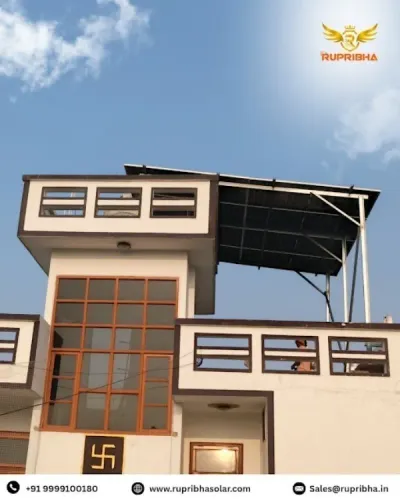
This is particularly relevant in Delhi, where residential rooftops often share space with tanks, utilities, recreational areas, and neighboring structures.
Check Your Electricity Consumption
Collect several recent electricity bills and examine consumption rather than focusing only on the amount payable.
Seasonal changes matter.
A household using significantly more electricity during Delhi summers may need its annual consumption pattern considered rather than relying on a low-usage winter month.
Inspect the Roof During Different Hours
Look at the terrace in the morning, around midday, and later in the afternoon.
This simple exercise can reveal shadows that are not obvious during a single site visit.
Pay attention to:
- Neighboring buildings
- Trees
- Water tanks
- Parapet walls
- Staircase rooms
- Antennas
- Other rooftop structures
Professional assessment can then refine these observations.
Ask How Capacity Was Calculated
Do not accept a capacity recommendation without understanding its basis.
The installer should be able to explain how electricity consumption, usable area, shading, and customer objectives influenced the proposed system size.
Review the Equipment Specification
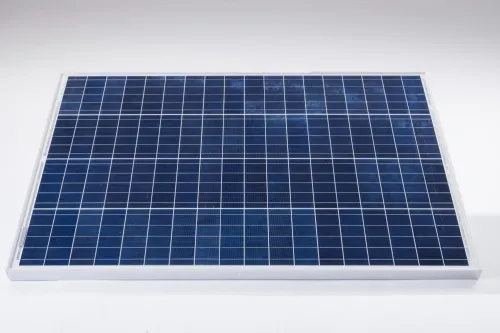
Ask for clarity about modules, inverter, mounting structure, cables, earthing, electrical protection, and monitoring.
Knowing exactly what is included makes quotations easier to compare.
Check Installation Access
Panels require inspection and cleaning.
A layout that uses every available centimeter may appear efficient on paper but become inconvenient when maintenance is required.
Ask where walking access will remain and how individual modules can be reached if inspection becomes necessary.
Discuss the Existing Electrical Setup
Solar ultimately connects with the property's electrical system.
The installer should understand the relevant electrical arrangement and determine how the proposed system will be integrated.
This is also the right stage to discuss locations for the inverter, distribution equipment, protection devices, and cable routes.
Clarify the Project Scope in Writing
Before finalizing an installation, understand what is included and excluded.
Clarify equipment, installation, testing, commissioning, applicable documentation assistance, timelines, and post-installation support.
Written clarity reduces misunderstandings later.
Rupribha Electricals OPC Private Limited works across rooftop solar systems, solar products, EPC requirements, and electrical solutions. Homeowners in Delhi evaluating customized solar can use this checklist to have a more productive technical discussion before finalizing a project.
The best time to identify a solar design problem is before installation begins.
Keywords