Installing a Solar Rooftop System is a long-term property and energy decision. Before comparing panel brands or requesting the most affordable quotation, customers should establish whether the roof, electricity consumption, and proposed system design are suitable for the investment.
This is especially relevant in Delhi NCR, where property types range from compact urban homes to large commercial and industrial rooftops.
Check Your Electricity Consumption First
Collect recent electricity bills and look at consumption across different seasons.
Higher summer cooling loads can make one month's bill significantly different from annual average consumption. Using several months of data gives a clearer picture.
Also consider expected future loads such as additional air conditioners, machinery, electric vehicles, or property expansion.
Assess the Usable Roof Area
Total roof area and usable solar area are different.
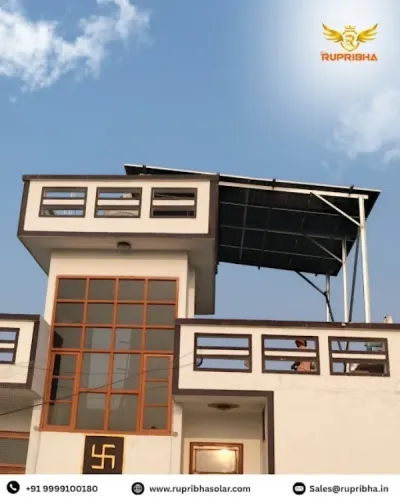
Water tanks, staircases, lift rooms, ventilation equipment, parapet walls, adjoining buildings, and other obstructions can limit panel placement.
Shadow-free area is particularly valuable because repeated shading can reduce system output.
Review the Roof Condition
A solar plant may remain on the building for many years, so major roof repairs should ideally be identified beforehand.
Ask whether waterproofing, structural repair, resurfacing, or other work is likely to be needed soon. Completing necessary work before solar installation can prevent avoidable dismantling.
Compare Complete Technical Proposals
Do not compare quotations using system capacity and price alone.
Review:
- Module specifications
- Inverter specifications
- Mounting structure
- Electrical protection
- Earthing
- Cable quality and routing
- Monitoring provisions
- Installation scope
- Warranty conditions
- Documentation responsibilities
- Maintenance support
A technically detailed proposal makes comparison easier and helps customers identify genuine value.
Understand Expected Generation Properly
Generation estimates should be treated as projections based on design and operating assumptions.
Actual output can be affected by solar irradiation, temperature, shading, module orientation, dust, equipment efficiency, downtime, and maintenance.
Be cautious about proposals that present future electricity generation as an unconditional guarantee.
Understand Installation Disruption
Residential rooftop installation is generally manageable, but workers need safe access to the terrace and relevant electrical areas.
Customers should remove obstacles from work zones and identify sensitive waterproofed surfaces or restricted areas before installation begins.
Physical installation time varies according to capacity, roof conditions, mounting complexity, and electrical work.
Plan for Maintenance
Solar has relatively modest maintenance requirements, but regular attention still matters.
In Delhi NCR, dust deposition can be significant. Panels may require cleaning according to site conditions, particularly during dry periods.
Owners should also watch generation data for unusual changes and ensure new construction or vegetation does not create unexpected shading.
Know the Key Risks
Most avoidable solar problems are associated with poor planning or workmanship rather than the basic photovoltaic technology.
Risks can include inappropriate mounting, water leakage around disturbed roof areas, inadequate electrical protection, loose connections, difficult maintenance access, and poorly planned cable routes.
Selecting experienced installation support and reviewing the technical design can reduce these concerns.
Frequently Asked Questions
How much roof space is required?
It depends on module dimensions, capacity, layout, shading, setbacks, and usable roof conditions.
Should I install the maximum capacity my roof allows?
Not automatically. Consumption, regulations, financial objectives, and usable generation should guide sizing.
Can panels damage the roof?
Correct mounting and installation practices are essential. Roof condition and waterproofing considerations should be reviewed before work begins.
Rupribha Electricals OPC Private Limited can assess rooftop conditions and electricity requirements for customers considering solar projects in Delhi NCR.
The most useful decision is therefore not simply whether to install solar. It is determining what configuration is technically appropriate for the property before committing to the investment.
Keywords