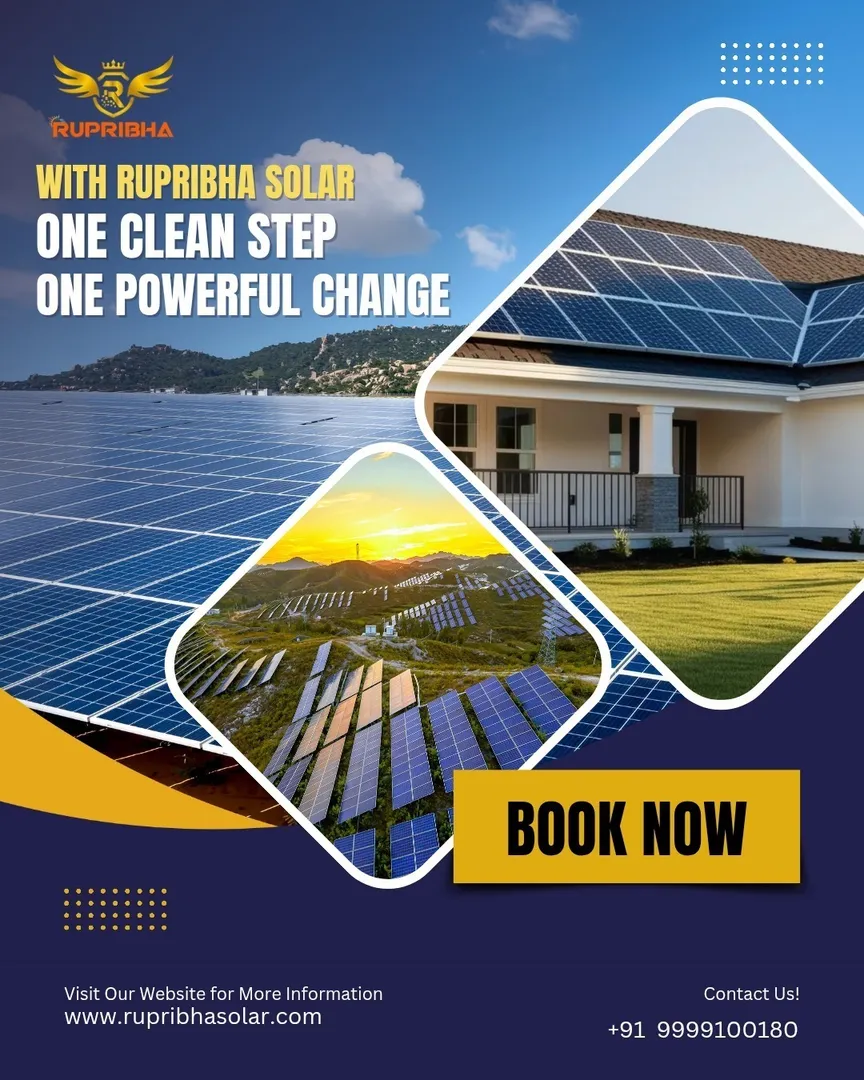
Homeowners considering Solar Panel Installation For Homes often understand the final result but have less clarity about what happens between requesting a quotation and switching the system on.
Knowing the sequence makes it easier to prepare the property, evaluate the installer, and identify questions before work starts.
The Initial Discussion Establishes Your Requirements
The installer generally begins by understanding electricity consumption, property type, rooftop availability, and the homeowner's objectives.
Keeping recent electricity bills available can make this discussion more useful.
You should also mention foreseeable changes such as additional air conditioners, electric vehicle charging, or property expansion.
A Site Survey Examines the Actual Property
The next stage is technical assessment.
The survey may examine roof dimensions, orientation, shading, roof condition, access, potential equipment locations, electrical arrangements, and cable routes.
In Delhi, neighboring buildings and rooftop structures can create significant shading, so actual site conditions should influence the design.
System Capacity and Layout Are Proposed
The installer can then recommend an appropriate system capacity and module arrangement.
Review the proposal carefully.
Ask why the particular capacity has been recommended and how the layout addresses shadows, maintenance access, and available space.
Equipment Is Finalized
A complete rooftop system includes more than modules.
Depending on the design, the project may involve an inverter, mounting structure, cables, earthing, protective equipment, monitoring components, and other electrical items.
Ask for the specifications included in the quotation.
Installation Begins
Mounting structures are installed according to the planned layout before modules are secured.
Electrical work follows, including DC connections, inverter integration, AC-side connections, protection, and earthing according to the project design.
Cable management should be neat and planned for long-term exposure and maintenance.
Testing Comes Before Normal Operation
The system should not simply be installed and left running without checks.
Commissioning helps verify connections, equipment operation, electrical parameters, protection arrangements, and monitoring functionality.
Homeowners should also receive basic guidance on system operation and routine maintenance.
Understand Cleaning and Monitoring
Delhi's dust levels can make regular module cleaning relevant to system upkeep.
Homeowners should know how panels can be safely accessed and how system performance can be observed where monitoring is provided.
Rupribha Electricals OPC Private Limited works with residential rooftop solar, solar products, and electrical solutions. Homeowners can discuss their electricity consumption, roof conditions, and installation requirements before deciding the appropriate project configuration.
A residential solar installation becomes far easier to evaluate when homeowners understand each stage. Rather than purchasing panels as standalone products, they can assess the quality of the complete process from initial survey through commissioning.
Keywords