A solar project should begin with questions, not a product catalogue. How much electricity does the property consume? When is that electricity used? How much roof area is genuinely usable? What creates shadows? Is the existing electrical infrastructure suitable?
A capable Solar Solutions Company should use answers to these questions before recommending system capacity or equipment.
Why Site Conditions Matter
Two buildings with similar electricity bills may need very different solar configurations.
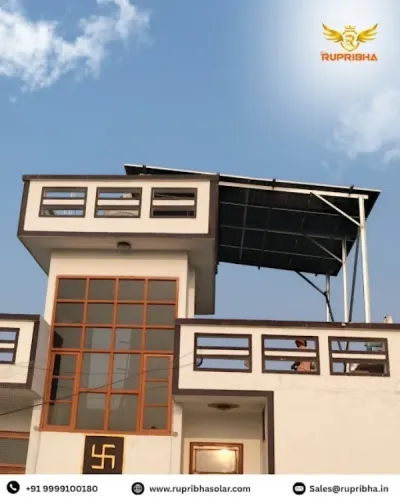
One may have an unobstructed terrace with excellent usable area. Another may contain water tanks, staircases, equipment, parapet walls, and surrounding structures that create shadows.
This is why a rooftop survey is a fundamental part of planning.
The survey can identify usable installation zones, access requirements, possible inverter locations, cable routes, structural considerations, and maintenance clearances.
Electricity Bills Tell Only Part of the Story
Historical bills provide valuable consumption data, but engineers should also understand when electricity is being consumed.
A commercial facility operating primarily during daylight hours has a different load pattern from a residence where electricity consumption increases significantly after occupants return home.
Matching generation with consumption can influence the practical and financial value of the project.
Equipment Selection Should Follow Design
Customers sometimes choose a particular solar panel first and then attempt to build the project around it.
A stronger approach is to define the project's requirements first.
Panel specifications, inverter capacity, mounting arrangement, electrical protection, cables, monitoring, and related components can then be selected according to the design.
Preparing the Property
Before installation begins, customers should disclose planned roof repairs, waterproofing work, additional floors, new machinery, EV charging plans, or other changes that could affect the system.
The installer should also assess safe access to installation areas and suitable locations for equipment.
This preparation can reduce avoidable modifications later.
Installation and Commissioning
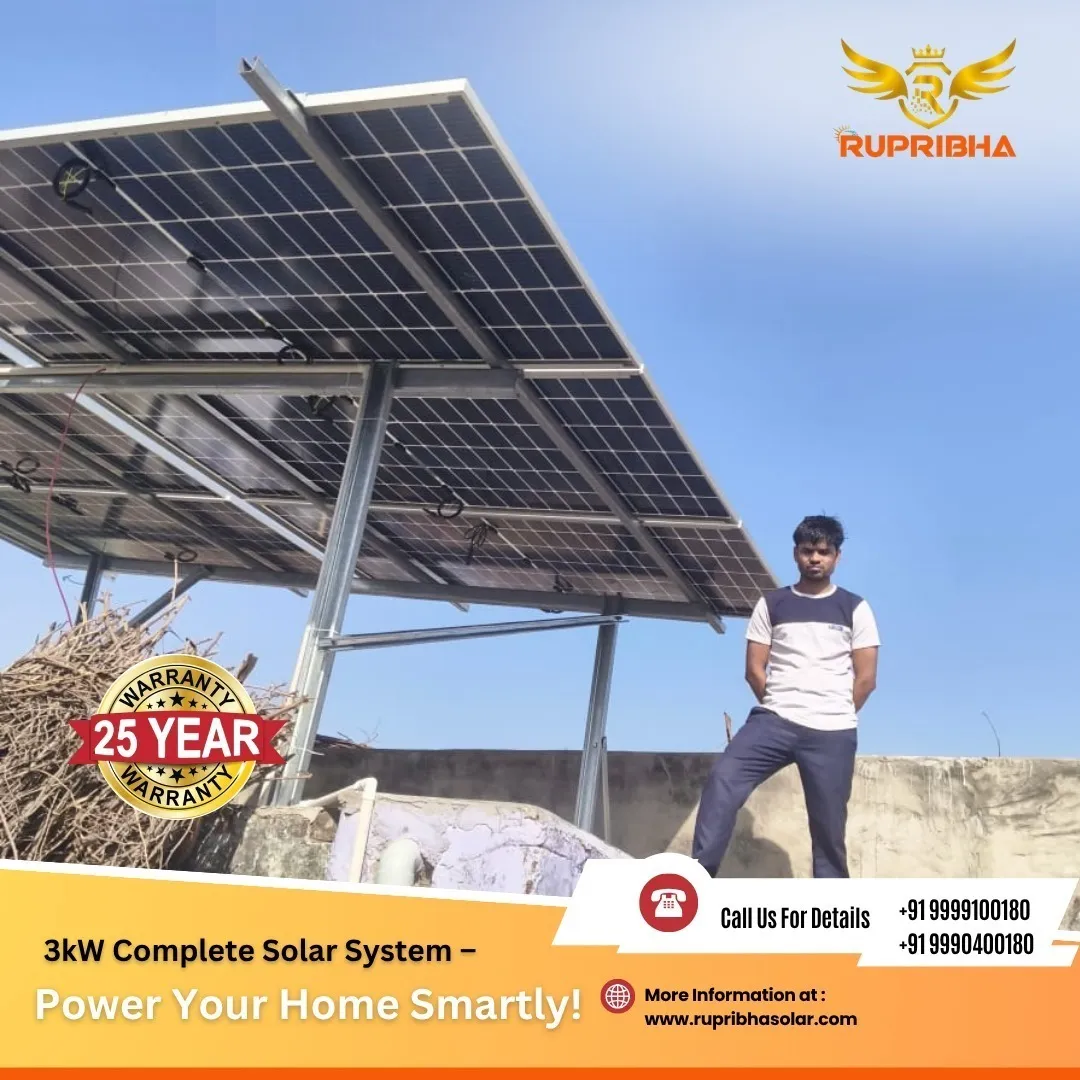
Once design and materials are finalized, mounting structures are positioned and secured according to the planned layout. Modules are installed with suitable spacing and access. Electrical connections, inverter installation, earthing, protection devices, and monitoring systems follow.
The complete installation should then be inspected and tested before commissioning.
For eligible grid-connected projects, relevant metering, inspection, and administrative procedures may follow applicable rules.
What Customers Should Check After Installation
After commissioning, customers should know how to view system generation and identify basic alerts.
Useful post-installation practices include:
- Monitoring generation periodically
- Keeping panels appropriately clean
- Avoiding new objects that shade modules
- Keeping inverter areas accessible
- Reporting persistent faults
- Scheduling technical inspection when required
Rupribha Electricals OPC Private Limited serves customers across Delhi NCR where rooftops range from independent residential homes to commercial and industrial properties. That diversity makes site-specific planning especially important.
What Can Go Wrong With Generic Design
Standardized proposals can overlook shading, future maintenance access, roof usage, structural limitations, cable distances, or actual electricity consumption.
The result may be a system that technically operates but does not make effective use of the property.
Frequently Asked Questions
Can a quotation be prepared without visiting the property?
An initial estimate may be possible using bills and basic property details, but a technical site assessment is valuable before final design and installation.
Should the entire roof be covered?
Not necessarily. Access, shading, maintenance space, structural conditions, and electricity requirements should influence the layout.
Can customers choose specific equipment brands?
Requirements can be discussed, but compatibility and project design should also guide component selection.
Solar is most effective when the proposal begins with the building and its energy requirements. A site-specific system therefore provides a stronger foundation than selecting a generic package solely by capacity and price.
Keywords