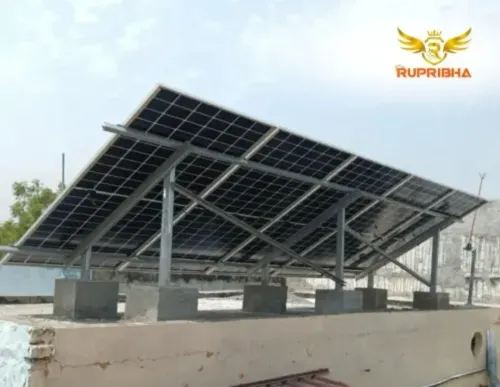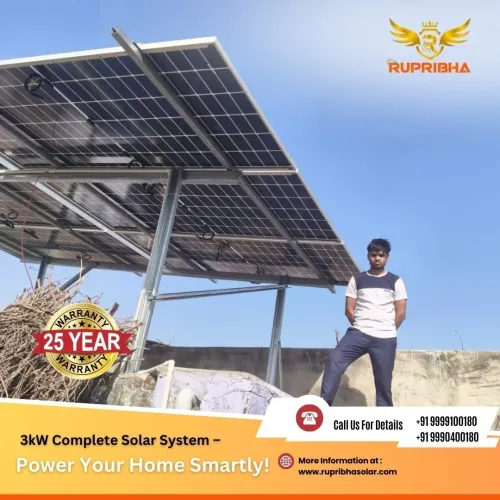

A monthly electricity total cannot tell you which appliances need backup, how large the battery must be, or how much solar power your roof can produce. By mapping appliance demand, site conditions, outage priorities, and electrical constraints, you can judge whether a proposed residential system is properly sized rather than accepting a generic panel count.
Key takeaways
- List each appliance’s wattage, hours, and operating schedule.
- Use hourly or 15-minute data to size the PV array accurately.
- Size batteries for both stored energy and simultaneous appliance loads.
- Define which circuits stay powered during a grid outage.
Start with an Appliance-by-Appliance Energy Inventory
A monthly bill total cannot tell a designer how your home uses electricity. Residential solar system design needs monthly consumption and, preferably, 15-minute or hourly meter data, because two homes with the same annual kWh can have different daytime use, evening peaks, and battery needs.
- List every appliance and fixed load: refrigerators, pumps, fans, lights, air-conditioners, water heaters, ovens, washing machines, computers, and EV chargers.
- Record rated wattage or voltage and amperage from each nameplate. Convert these figures into the appliance’s connected load in kilowatts; note motor starting surge for pumps, compressors, refrigerators, and air-conditioners.
- Record hours used per day, days per week, and operating time: daylight, evening, overnight, or during a power cut. Capture seasonal changes, such as summer cooling or winter heating.
- Use electricity bills for monthly kWh, then request smart-meter interval records when available. Measure uncertain loads with a plug meter or clamp meter rather than guessing from the bill.
- Mark essential circuits for backup and identify appliances that run together. This reveals peak simultaneous demand, which controls inverter and service checks, separately from daily energy consumption, which controls solar and battery energy.
- Ask proposals to state battery capacity as nominal, usable at the battery terminals, or usable at backed-up loads. Include reserve capacity, conversion losses, temperature limits, and degradation assumptions; nameplate kWh is not the energy your home receives.
This inventory exposes oversized loads, simultaneous starting demands, and avoidable consumption before panel capacity or battery size is quoted.
Convert Usage Data into a Site-Specific PV Array Size
Designers calculate solar panel capacity from the home’s energy target and the site’s usable sunlight, not from roof area alone. Start with monthly electricity consumption and, where available, interval load data to identify daytime use, evening peaks, battery charging needs, and export limits. Annual kWh can conceal large seasonal differences.
The core estimate is:
Required PV capacity = target daily energy ÷ (daily plane-of-array irradiance × system performance factor)
Use the month with the required production target, or model every month if the home must meet demand year-round. Add a design margin for weather variation and degradation. Peak simultaneous demand does not determine panel capacity; it determines inverter and service capacity.
Apply separate derating inputs:
- Roof azimuth and tilt
- Horizon and row-to-row shading
- Module temperature
- Soiling
- DC wiring losses
- Inverter efficiency
- Availability and outage losses
PVWatts or comparable modeling software converts these inputs into monthly production estimates. A Typical Meteorological Year is a modeled long-term baseline, not a promise; show low-production cases for cloudy weather, smoke, snow, or heavy soiling.
The DC array can exceed the inverter’s AC rating. Clipping then removes only the output above the inverter limit during high-production periods, while the larger array improves inverter utilization during weak sunlight. Confirm the chosen DC-to-AC ratio against orientation, local irradiance, battery charging, and the value of exported energy.
Size the Battery for Both Energy and Power
A battery must be sized for both stored energy in kilowatt-hours and instantaneous output in kilowatts. A system can provide enough energy for an overnight outage yet trip when a motor starts or several heavy loads run together.
Calculate usable battery capacity from the essential-load energy and required backup duration, then allow for losses and reserve. A simple check is:
Required usable capacity = essential-load kW × backup hours ÷ round-trip efficiency
A quoted nameplate figure is not necessarily energy available at the backed-up circuits. Confirm whether the proposal states nominal capacity, usable capacity at the battery terminals, or usable battery capacity after inverter losses. Apply the battery depth of discharge, temperature limits, reserve state of charge, and expected degradation over its service life.
Use the load inventory to set the power requirement. Add the wattage of all essential circuits that can operate simultaneously, then compare that total with the inverter’s continuous power rating. Include the starting surge of compressors, pumps, fans, and other motors; a refrigerator or pump can briefly demand several times its running wattage.
Ask the designer to show these separate figures:
- Essential-load energy per day and during the planned outage
- Required usable battery capacity after efficiency and reserve allowances
- Maximum simultaneous running load in kW
- Starting or surge demand in kW
- Inverter continuous and surge ratings
A critical-loads panel can shrink the design by excluding electric heating, large air-conditioning equipment, or vehicle charging. If whole-home backup is required, check the service, transfer equipment, inverter, and battery against the home’s maximum simultaneous and starting demand.
Choose the Architecture and Define the Backup Boundary
A home that rarely loses power should use on-grid solar; a home that needs outage protection should use a hybrid solar system; a property without dependable utility service needs off-grid solar. The decision must match the utility connection, outage duration, export rules, and loads that must keep running.
| Architecture | Grid relationship | Choose it when | Backup boundary |
|---|---|---|---|
| On-grid solar | Remains connected; shuts down during an outage | You want lower bills and outages are acceptable | No circuits receive power during a grid failure |
| Hybrid solar system | Uses PV, batteries, and the grid | You need backup for selected loads or the whole home | A critical-loads panel or whole-home backup panel |
| Off-grid solar | Operates without utility supply | Grid service is unavailable, unreliable, or too costly to extend | Every required circuit, with extra generation and storage for poor-weather periods |
A whole-home boundary must pass four checks: service rating, inverter continuous output, transfer equipment, and motor-starting capability. Compare them with the maximum simultaneous demand, not the sum of every appliance nameplate.
A critical-loads panel reduces inverter and battery size by excluding high-demand circuits such as:
- Electric resistance heating
- Large air-conditioning compressors
- EV charging
- Electric water heating
Keep refrigeration, lighting, communications, security, medical equipment, internet equipment, and selected receptacles on backed-up circuits. Label the panel and identify its transfer point, because a rooftop rapid-shutdown device controls PV conductors; it is not an emergency disconnect for the residence.
Check the Electrical Design Before Comparing Proposals
A proposal can fail before installation if its panel count, inverter, service equipment, and backup boundary were never checked as one electrical design. Ask for the single-line diagram and verify these points:
- The DC-to-AC ratio suits the inverter’s clipping limits, while every string stays below the cold-weather maximum voltage and inside the MPPT voltage range at the roof’s hottest operating temperature.
- The service equipment confirms busbar and conductor ampacity, backfeed location, main-breaker configuration, available fault current, grounding, and utility interconnection requirements.
- The backup design identifies the transfer equipment, maximum simultaneous load, motor-starting capability, and circuits excluded from backup, such as resistance heating, large air-conditioners, or EV charging.
- Rapid shutdown identifies the controlled conductors, array boundary, initiating device, labels, and equipment listings required by the locally adopted National Electrical Code edition and authority having jurisdiction.
Check the proposal against these decision tests:
| Check | Evidence to request | Warning sign |
|---|---|---|
| Technical | Voltage calculations, shading assumptions, equipment datasheets | Standard-temperature figures only |
| Safety | Protection schedule, shutdown layout, labels, permits | “Emergency disconnect” used as a substitute for rapid shutdown |
| Financial | Monthly or interval data, export limits, degradation model, warranty terms | Savings based on annual kWh alone |
| Supplier | Single-line diagram, commissioning procedure, service contacts | No named party for utility interconnection |
Use about 0.5% annual crystalline-silicon degradation only when the warranty, climate, and installation conditions support it. Rupribha Electricals (OPC) Private Limited is worth asking for the same drawings and assumptions before you compare its price with another quote.
Related products
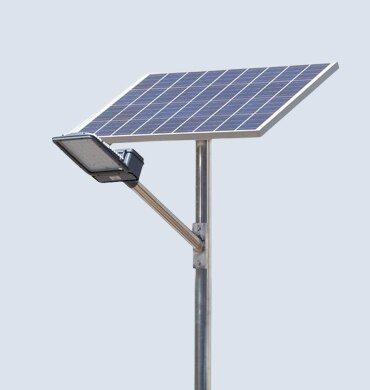 | LED Products systems combine the benefits of solar power with integrated energy storage solutions. View product → |
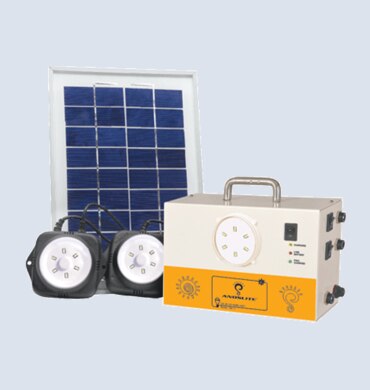 | LED Products The Solar Home Light System is an eco-friendly, cost-effective solution to power your home with renewable energy. View product → |
Frequently asked questions
What energy information is needed to design a residential solar system?
Start with an appliance-by-appliance inventory showing each load’s wattage, operating hours, and schedule. Add monthly consumption and, preferably, 15-minute or hourly meter data.
How is the required solar PV array size calculated?
Convert appliance and meter data into expected daily energy use, then account for site conditions, available roof area, orientation, shading, and system losses.
How do you size a battery for a home solar system?
Size the battery for the energy needed during the backup period and the power required when multiple appliances run at once.
What is a backup boundary in a residential solar system?
The backup boundary identifies the circuits that remain powered during a grid outage. Separate essential loads from high-demand or nonessential loads before selecting the system architecture.
What should you check before comparing residential solar proposals?
Check the PV array capacity, inverter rating, battery usable capacity, backup circuits, protection equipment, cable sizes, roof layout, shading assumptions, and expected system losses.
Related products
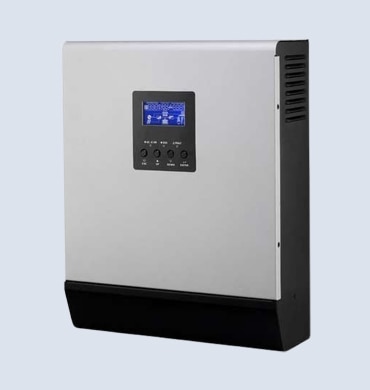 | Solar Products A Solar Hybrid Inverter seamlessly combines solar energy, battery storage, and grid power for efficient energy management. View product → |
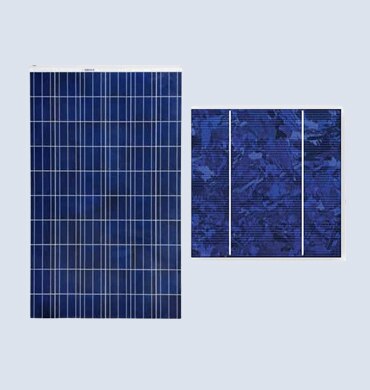 | Solar Products Solar Polycrystalline Modules are efficient and cost-effective solar panels made from multiple silicon crystals. View product → |
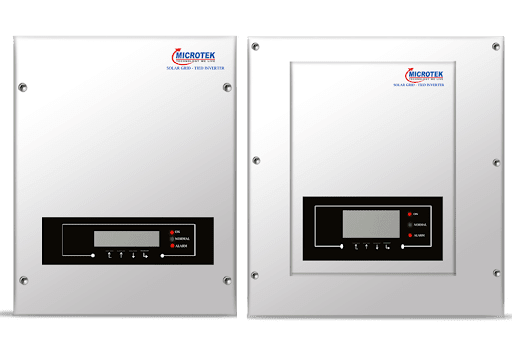 | Solar Products A Solar Ongrid Inverter efficiently converts solar energy into usable electricity, directly feeding it into the grid. View product → |
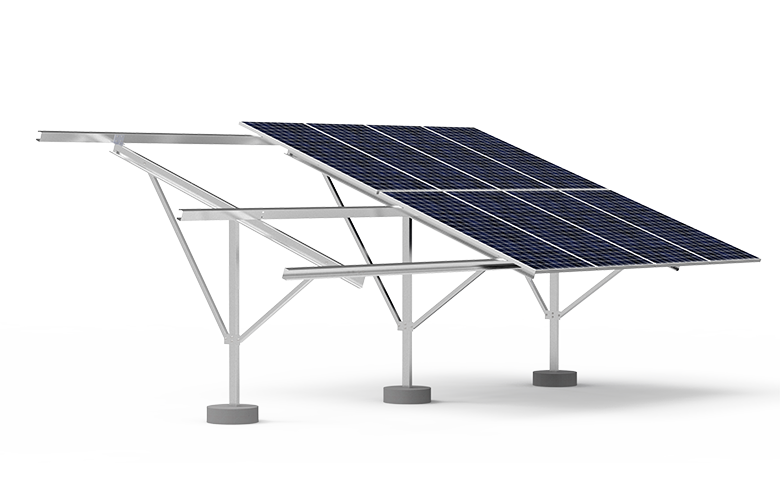 | Plant BOS Solar structures are essential components for supporting solar panels, ensuring their stability and optimal performance. View product → |